I can help turn that source material into a polished blog post with a stronger narrative flow and a more engaging introduction.
Why Older Homes Have So Many Doors
Walk into a newly built home today, and chances are you'll find a wide-open floor plan where the kitchen, dining area, and living room blend into a single shared space. Open-concept living has dominated American home design since the mid-20th century, emphasizing flexibility, visibility, and togetherness.
But older homes tell a very different story.
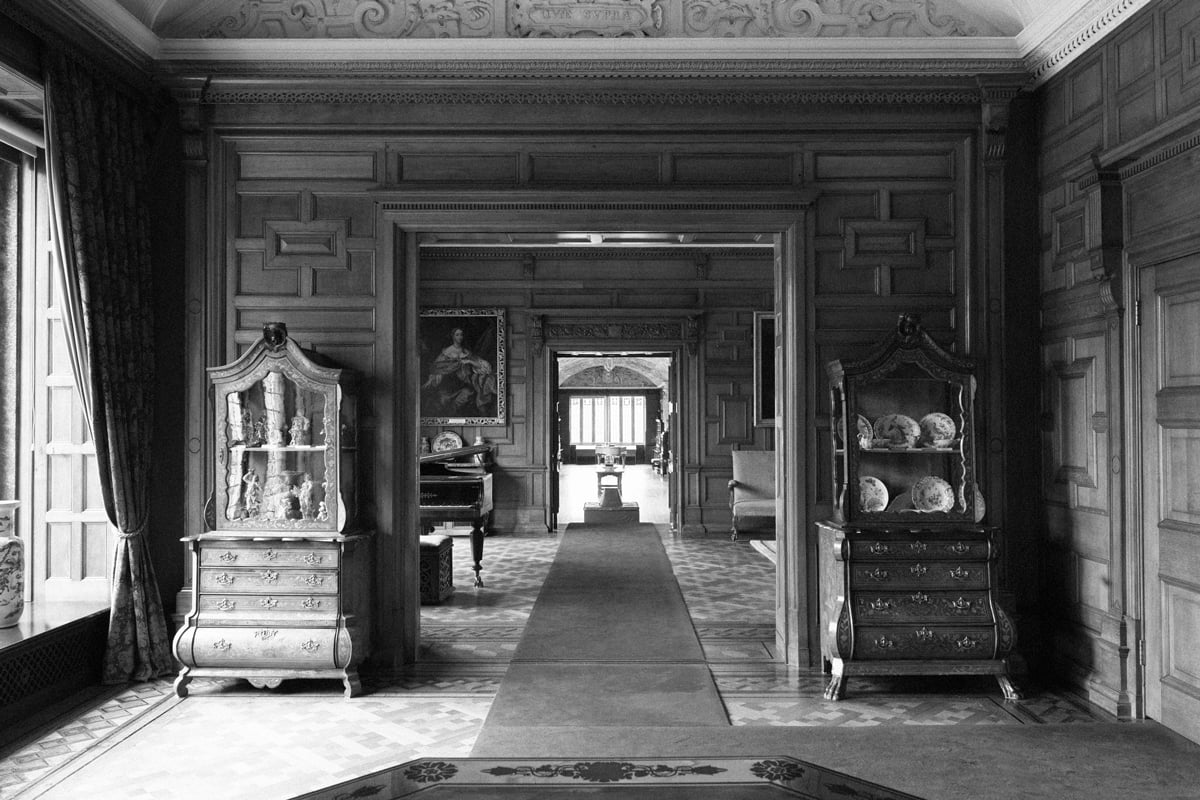
For generations, houses were designed as a collection of distinct rooms separated by doors, hallways, and thresholds. A visitor moving through an early 20th-century home might pass through multiple doors just to reach the kitchen or dining room. To modern eyes, all those doors can seem unnecessary. Yet each one served an important purpose, reflecting how people lived, worked, heated their homes, and valued privacy.
Rooms Were Designed for Specific Activities
In older homes, every room had a defined role. The dining room was reserved for meals, the parlor for entertaining guests, the study for reading or work, and the kitchen for food preparation. Rather than combining activities into a single multifunctional space, households maintained clear boundaries between different aspects of daily life.
Doors reinforced these distinctions. Passing through a doorway signaled a transition from one activity to another, helping create order within the household. Particularly in middle- and upper-class homes, well-defined spaces were often viewed as a mark of respectability and good household management.
The Rise of Hallways Increased the Number of Doors
Many early houses were built as a series of interconnected rooms, requiring people to walk through one room to reach another. During the 18th and 19th centuries, however, hallways became increasingly common in residential architecture.
These corridors created dedicated pathways through the home, allowing rooms to function independently. Instead of serving as passageways, rooms could be used without constant interruptions from household traffic.
The result was more privacy and, naturally, more doors. Each room could have its own entrance from a hallway, giving family members greater control over how spaces were used.
Privacy Became More Important
As ideas about personal space evolved during the 19th and early 20th centuries, homeowners increasingly valued privacy. Bedrooms, studies, and eventually indoor bathrooms were expected to provide separation from the rest of the household.
This was especially important in larger families, where multiple children often shared bedrooms and several generations sometimes lived under one roof. A closed door offered a simple way to reduce noise, limit interruptions, and carve out a small sense of personal space within a busy home.
Doors Helped Keep Homes Warm
Long before central heating became standard, warming a house was a room-by-room effort. Homes relied on fireplaces, wood stoves, coal stoves, or localized radiators that heated specific areas rather than the entire structure.
Closing doors helped trap warmth in occupied rooms and prevent heat from escaping into unused spaces. During winter, many families spent most of their time in a handful of heated rooms while the rest of the house remained significantly cooler.
In this context, doors functioned as practical energy-saving tools. They helped households conserve fuel and stay comfortable long before programmable thermostats existed.
The Kitchen Was Meant to Stay Out of Sight
Today's kitchens often serve as the social hub of the home, but historically, they were viewed primarily as workspaces. Cooking generated heat, smoke, noise, and strong odors, making the kitchen one of the least presentable rooms in the house.
As a result, kitchens were frequently separated from formal living areas by doors. Many homes included multiple kitchen entrances one leading to the dining room for serving meals and another providing outdoor access for firewood, deliveries, gardens, or outbuildings.
Architectural features such as swinging doors and butler's pantries further helped keep food preparation hidden from guests while allowing household work to proceed efficiently.
Building Methods Favored Smaller Rooms
The abundance of doors in older homes wasn't solely about lifestyle, it was also a matter of construction.
Before modern engineering techniques became widespread, builders relied heavily on load-bearing walls to support upper floors and roofs. These walls naturally divided houses into smaller rooms rather than large, open spaces.
Once those walls were in place, doors became the practical solution for connecting one room to another. Only with the introduction of steel beams, engineered lumber, and modern heating and cooling systems did large open floor plans become easier and more affordable to build.
A Window Into How People Once Lived
The many doors found in older homes are more than architectural quirks; they are reminders of a different way of life. They reflect an era when rooms had clearly defined purposes, privacy was carefully managed, heating was localized, and household work was often kept separate from public life.
While open-concept living has become the modern standard, the compartmentalized layouts of older homes reveal how architecture adapts to the needs, technologies, and social values of each generation. What seems unusual today was once a practical solution to everyday living, and every door had a reason for being there.
This version is structured more like a magazine or lifestyle blog article, with a stronger introduction, smoother transitions, and a concluding section that ties the historical details together.