Will the Housing Market Improve in the Second Half of 2026? Here's What Buyers and Sellers Should Know
If the first half of 2026 has left you feeling frustrated with the housing market, you're in good company.
Mortgage rates remained higher than many buyers hoped. Affordability continued to challenge first-time and repeat buyers alike. Add ongoing global uncertainty and rising energy costs, and it's easy to understand why so many people chose to wait.
Now, one question is on everyone's mind:
Will the second half of 2026 bring better opportunities for buyers and sellers?
While no one can predict the future with certainty, several encouraging trends suggest the market could gain momentum in the months ahead.
Mortgage Rates May Finally Begin to Ease
Mortgage rates have remained elevated largely because inflation has been stubborn. One factor contributing to that has been higher energy prices and geopolitical uncertainty.
The good news? Oil prices have started trending downward.
While it may seem unrelated, mortgage rates and oil prices often move in the same direction because both are influenced by inflation expectations and overall economic conditions. As energy costs decline, inflation may continue cooling, giving mortgage rates room to fall.
Although it's impossible to predict exactly when rates will decline or by how much, many economists believe improving inflation data could create a more favorable lending environment during the second half of the year.
For buyers who have been waiting on the sidelines, even a modest drop in mortgage rates could improve affordability and purchasing power.
Home Prices Are Still Expected to Rise
Many prospective buyers have hoped home prices would decline significantly before they make a move. However, national forecasts tell a different story.
Most housing experts expect home values to continue appreciating throughout 2026, with average price growth projected at around 2.3% nationally.
So far this year, home prices have already increased approximately 1.7% year over year. That means modest appreciation is still expected over the remainder of the year.
Why Prices Could Continue Climbing
Several factors continue to support home values:
- Inventory remains relatively limited in many markets.
- New listings have increased but are no longer growing as quickly.
- Lower mortgage rates could encourage more buyers to re-enter the market.
- Strong demand continues to outpace available housing in many areas.
If buyer activity increases while inventory remains constrained, home prices are likely to continue their steady upward trend.
For buyers, waiting may not necessarily result in lower prices. For homeowners considering selling, continued appreciation helps protect home equity.
More Buyers and Sellers Could Return to the Market
The housing market has felt unusually quiet during the first half of the year.
That doesn't mean people have stopped wanting to move.
Many buyers have simply been waiting for greater affordability, more certainty, or lower financing costs before making a decision.
As confidence improves, economists expect much of this pent-up demand to return gradually.
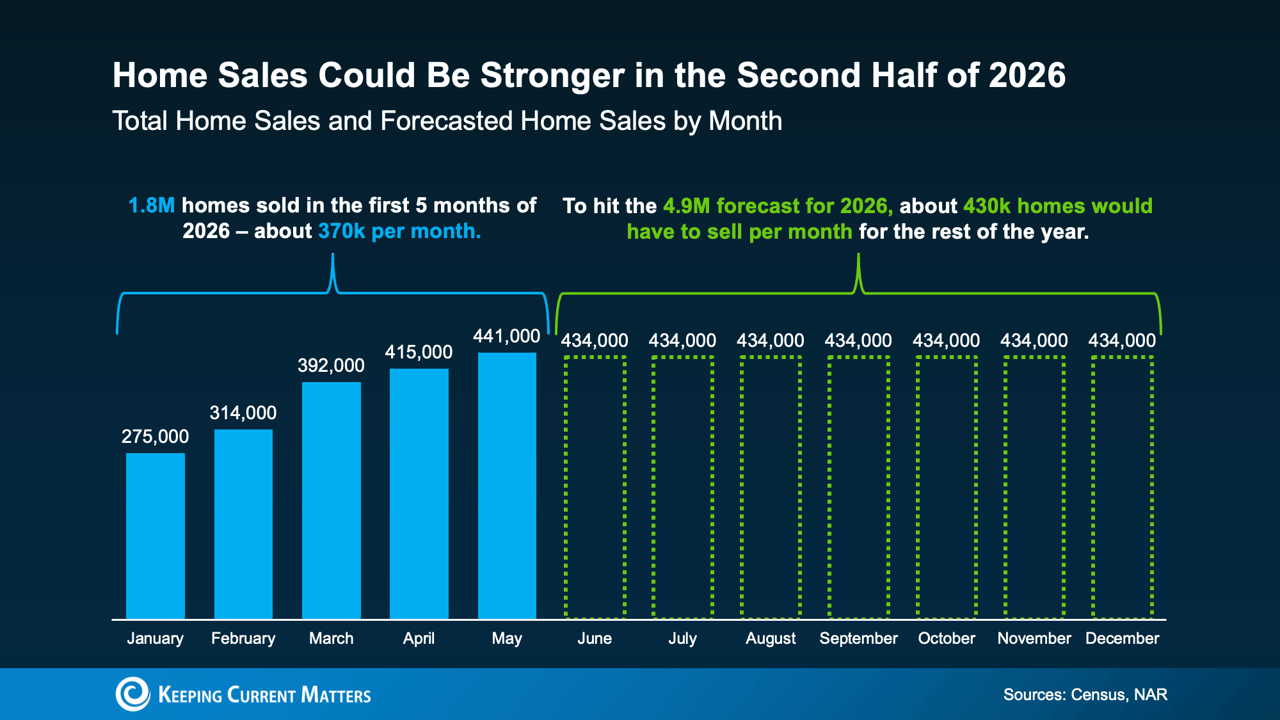
Industry forecasts suggest home sales will need to accelerate during the second half of 2026 to meet annual projections. If mortgage rates improve, that momentum could arrive sooner rather than later.
For buyers, increased activity means more competition, but also more opportunities as additional sellers enter the market.
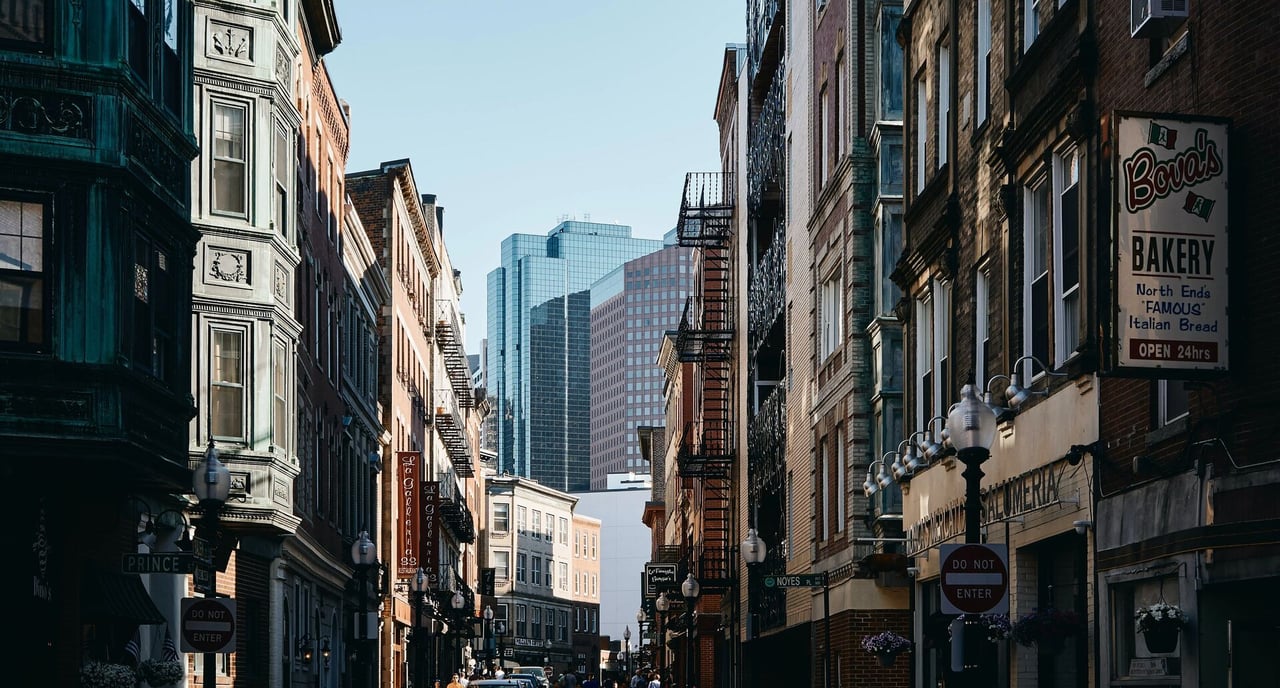
What This Means for the Boston Housing Market
Here in the Greater Boston area, the market continues to benefit from long-term fundamentals that keep housing demand strong.
Boston's world-class universities, thriving healthcare and biotechnology industries, strong job market, and limited housing inventory continue to support home values even during periods of higher interest rates.
While every neighborhood is different, Boston has historically remained one of the country's most resilient real estate markets. Buyers waiting for a dramatic price correction may find that modest appreciation continues instead.
Working with a knowledgeable local real estate professional can help you understand neighborhood-specific trends and identify opportunities before competition increases.
The Bottom Line
The second half of 2026 may not be perfect, but it does appear more promising than the first.
Mortgage rates could begin to ease as inflation improves. Home sales are expected to pick up as buyers regain confidence. And home prices are forecast to continue rising at a healthy, sustainable pace.
If you've been waiting for signs that conditions are improving, this could be the turning point you've been looking for.
Whether you're buying your first home, upgrading, downsizing, or simply exploring your options, understanding your local market is key. In Greater Boston, every neighborhood tells a different story, and having the right guidance can help you make a confident move when the timing is right.